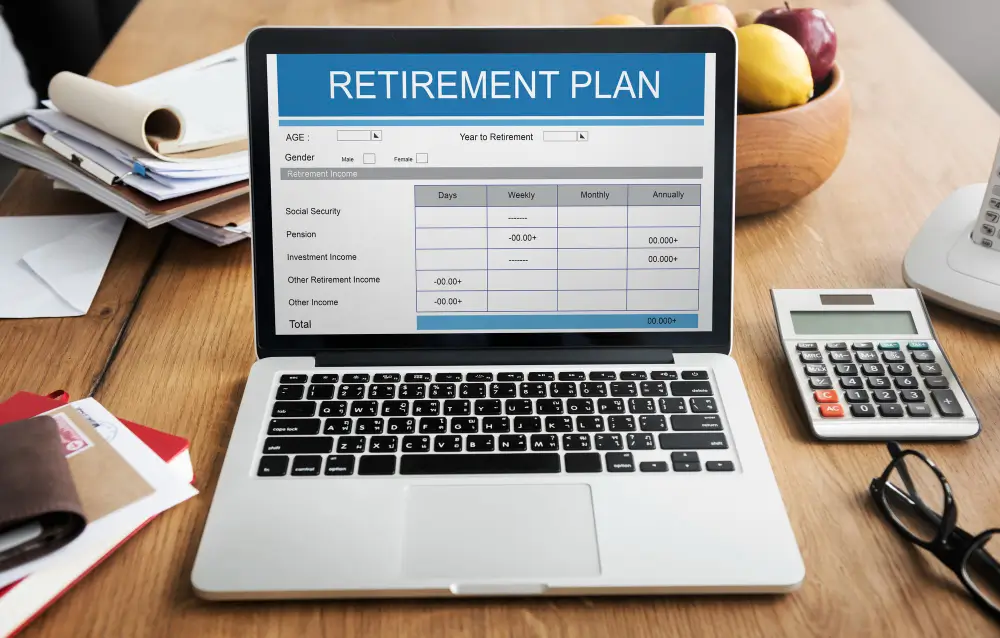
Retirement is an exciting milestone, but it requires careful financial planning to ensure you can enjoy this phase of life without financial stress. One of the most critical steps in retirement planning is creating a budget that accounts for your income, expenses, and financial goals. A well-structured retirement budget helps you manage your spending, make informed financial decisions, and ensure your savings last throughout retirement.
In this comprehensive guide, we’ll explore how to create a retirement budget that works for you, covering everything from estimating your retirement income and identifying your expenses to adjusting your spending over time.

1. Why You Need a Retirement Budget
Before diving into the specifics of creating a retirement budget, let’s take a look at why budgeting is essential for retirees:
a. Avoid Outliving Your Savings
One of the primary concerns for retirees is the risk of outliving their savings. Without a clear understanding of your income and expenses, it’s easy to overspend in the early years of retirement, leaving you with less money later in life. A budget helps ensure that your spending is sustainable and aligned with your long-term financial goals.
b. Manage Fixed and Variable Expenses
Retirement often brings changes in your spending patterns. While some expenses, such as housing or transportation, may decrease, others—like healthcare—may increase. A retirement budget helps you balance fixed and variable expenses and adjust your spending as needed.
c. Maintain Your Desired Lifestyle
Whether you want to travel, pursue hobbies, or spend time with family, a budget ensures that you allocate enough funds for the activities and experiences that matter most to you. A realistic budget helps you enjoy your retirement without financial stress.
d. Prepare for Unexpected Costs
Life is full of surprises, and unexpected expenses can throw off your financial plans. A budget helps you plan for contingencies like medical emergencies, home repairs, or inflation, so you can maintain financial stability throughout your retirement.
2. Assessing Your Retirement Income
The first step in creating a retirement budget is to assess your sources of income. In retirement, you may have several streams of income, including savings, pensions, Social Security, and investment returns. Knowing how much money you have coming in each month helps you set realistic spending limits.
a. Sources of Retirement Income
Here are some common sources of income that you may rely on in retirement:
- Social Security: In many countries, including the U.S., Social Security provides a stable source of income for retirees. The amount you receive is based on your work history and the age at which you start claiming benefits. It’s important to know how much you’ll receive each month and how it fits into your overall budget.
- Pension: If you’re eligible for a pension, it provides a reliable source of income during retirement. Be sure to understand how much your pension will pay and whether it adjusts for inflation.
- Retirement Accounts: Withdrawals from 401(k) plans, IRAs, or similar retirement accounts are a key source of income for many retirees. Be mindful of how much you withdraw each year to avoid depleting your savings too quickly. Many experts recommend withdrawing no more than 4% annually to ensure your savings last.
- Investment Income: Dividends, interest from bonds, and capital gains from investments can provide additional income. However, keep in mind that investment returns can fluctuate, so avoid relying too heavily on this income stream.
- Rental Income: If you own rental properties, the income they generate can supplement your retirement savings. Consider any expenses associated with maintaining the property and potential vacancies when budgeting this income.
- Part-Time Work or Freelancing: Many retirees choose to work part-time or take on freelance projects to stay active and supplement their income. This income can provide additional financial flexibility.
b. Estimate Your Total Monthly Income
Once you’ve identified all your sources of income, calculate your total monthly income. This will give you a clear picture of how much money you have available to spend each month. If your income varies from month to month (such as with investment income), use a conservative estimate to avoid overspending.

3. Estimating Your Retirement Expenses
After determining your income, the next step is to estimate your expenses. Your spending patterns in retirement may differ from your working years, so it’s important to consider changes in lifestyle, priorities, and healthcare needs. You’ll also need to distinguish between essential and discretionary expenses.
a. Fixed Expenses (Essential Costs)
Fixed expenses are non-negotiable costs that you must pay each month. These include:
- Housing: Whether you own or rent your home, housing is likely to be one of your largest expenses in retirement. Include mortgage or rent payments, property taxes, insurance, and maintenance costs in your budget.
- Utilities: Electricity, water, gas, and internet are ongoing expenses that you need to account for. These costs may remain stable or fluctuate depending on your usage.
- Groceries: Food is an essential expense, and it’s important to include a realistic estimate of how much you’ll spend on groceries each month.
- Healthcare: Healthcare costs often increase as you age. Include insurance premiums (such as Medicare or private health insurance), copays, prescriptions, and out-of-pocket medical expenses. Consider purchasing long-term care insurance to cover potential future healthcare needs.
- Transportation: Whether you own a car or rely on public transportation, transportation is a key expense. If you no longer commute to work, your costs may decrease, but be sure to budget for fuel, vehicle maintenance, and insurance.
- Debt Payments: If you have outstanding debt, such as a mortgage, car loan, or credit card balances, include these payments in your fixed expenses. It’s advisable to pay off as much debt as possible before retiring to reduce financial strain.
b. Variable Expenses (Discretionary Spending)
Variable expenses include costs that can fluctuate based on your lifestyle choices. These include:
- Travel: Many retirees want to travel during their retirement years. Estimate how much you plan to spend on vacations, including flights, accommodations, meals, and activities.
- Entertainment and Hobbies: Whether you enjoy dining out, attending events, or pursuing hobbies like golfing or crafting, include the costs of entertainment and hobbies in your budget.
- Gifts and Donations: If you plan to give gifts to family or contribute to charitable causes, be sure to budget for these expenses.
- Dining Out: Eating out at restaurants or ordering takeout can be a regular expense for some retirees. Include an estimate of how much you’ll spend on dining out each month.
c. One-Time and Irregular Expenses
Some expenses don’t occur every month but can still impact your budget. Plan for one-time or irregular costs, such as:
- Home Repairs and Maintenance: Budget for repairs, such as fixing a leaky roof or replacing an aging appliance, as well as routine maintenance tasks.
- Car Repairs: Unexpected car repairs can be costly, so include an estimate for potential vehicle repairs or even purchasing a new vehicle during retirement.
- Healthcare Emergencies: While you may have health insurance, unexpected medical emergencies can lead to significant out-of-pocket costs. Set aside a portion of your savings as an emergency fund for medical expenses.
d. Adjusting for Inflation
Inflation erodes the purchasing power of your money over time, which means the cost of goods and services will likely increase during your retirement. When creating your budget, it’s essential to account for inflation, particularly for long-term expenses like healthcare and housing. For example, if inflation averages 3% per year, a monthly expense of $1,000 today will cost approximately $1,344 in 10 years.

4. Balancing Your Budget: Matching Income to Expenses
Once you’ve estimated your income and expenses, it’s time to balance your budget. Compare your projected monthly income with your total estimated expenses to determine whether you have enough money to cover your costs. If your expenses exceed your income, you’ll need to make adjustments to ensure your savings last.
a. Prioritize Essential Expenses
Your first priority should be to cover your fixed, essential expenses, such as housing, healthcare, and groceries. If your income is limited, you may need to reduce discretionary spending to ensure that you can comfortably cover your needs.
b. Adjust Discretionary Spending
If you find that your expenses exceed your income, look for areas where you can reduce discretionary spending. For example, you could take fewer vacations, cut back on dining out, or limit entertainment costs. Remember, retirement is about balance—you don’t need to eliminate these expenses, but adjusting them can help keep your budget in check.
c. Reassess Your Withdrawal Strategy
If you’re withdrawing from retirement accounts like a 401(k) or IRA, consider whether you’re withdrawing too much too quickly. A common strategy is the 4% rule, which suggests withdrawing 4% of your savings annually to avoid depleting your nest egg. If necessary, reduce your withdrawal rate to stretch your savings over a longer period.
5. Adjusting Your Budget Over Time
A retirement budget isn’t static—it should evolve as your needs, income, and priorities change. Regularly reviewing and adjusting your budget ensures that it continues to meet your financial goals. Here’s how to keep your budget flexible:
a. Monitor Your Spending
Track your spending regularly to ensure you’re staying within your budget. If you find that you’re consistently overspending in certain areas, look for ways to cut back or reallocate funds from other categories.
b. Plan for Changing Healthcare Needs
As you age, your healthcare needs and expenses may increase. Be sure to review your health insurance coverage annually and adjust your budget to account for rising medical costs. Consider purchasing long-term care insurance to cover potential future expenses for nursing home care or in-home assistance.
c. Account for Market Fluctuations
Investment income can be volatile, especially if you’re relying on dividends or capital gains from the stock market. In years when your investments perform poorly, you may need to reduce your withdrawals or cut back on discretionary spending to protect your savings.
d. Prepare for Lifestyle Changes
Your spending patterns may change as you move through different stages of retirement. For example, you might spend more on travel and entertainment in the early years of retirement and focus more on healthcare in the later years. Adjust your budget as your lifestyle evolves.
6. Building an Emergency Fund
Unexpected expenses can arise at any time, from medical emergencies to home repairs. It’s important to have an emergency fund to cover these unplanned costs without dipping into your long-term savings. Aim to set aside 3-6 months’ worth of living expenses in a separate, easily accessible account, such as a savings account or money market account.
7. Getting Professional Help
If you’re unsure about how to create a retirement budget or manage your savings, consider working with a financial advisor. An advisor can help you:
- Estimate your retirement income and expenses.
- Develop a sustainable withdrawal strategy.
- Plan for taxes, inflation, and healthcare costs.
- Make adjustments to your budget as needed.
A financial advisor can provide personalized advice based on your unique financial situation and goals, helping you navigate the complexities of retirement planning.

Conclusion
Creating a retirement budget is essential for maintaining financial security and enjoying your retirement years without stress. By carefully estimating your income and expenses, prioritizing your spending, and adjusting your budget over time, you can ensure that your savings last and support the lifestyle you’ve worked hard to achieve.
Remember, your retirement budget is a living document—review it regularly and make adjustments as your circumstances change. With the right approach and a commitment to financial discipline, you can create a retirement budget that works for you and gives you peace of mind throughout your retirement.